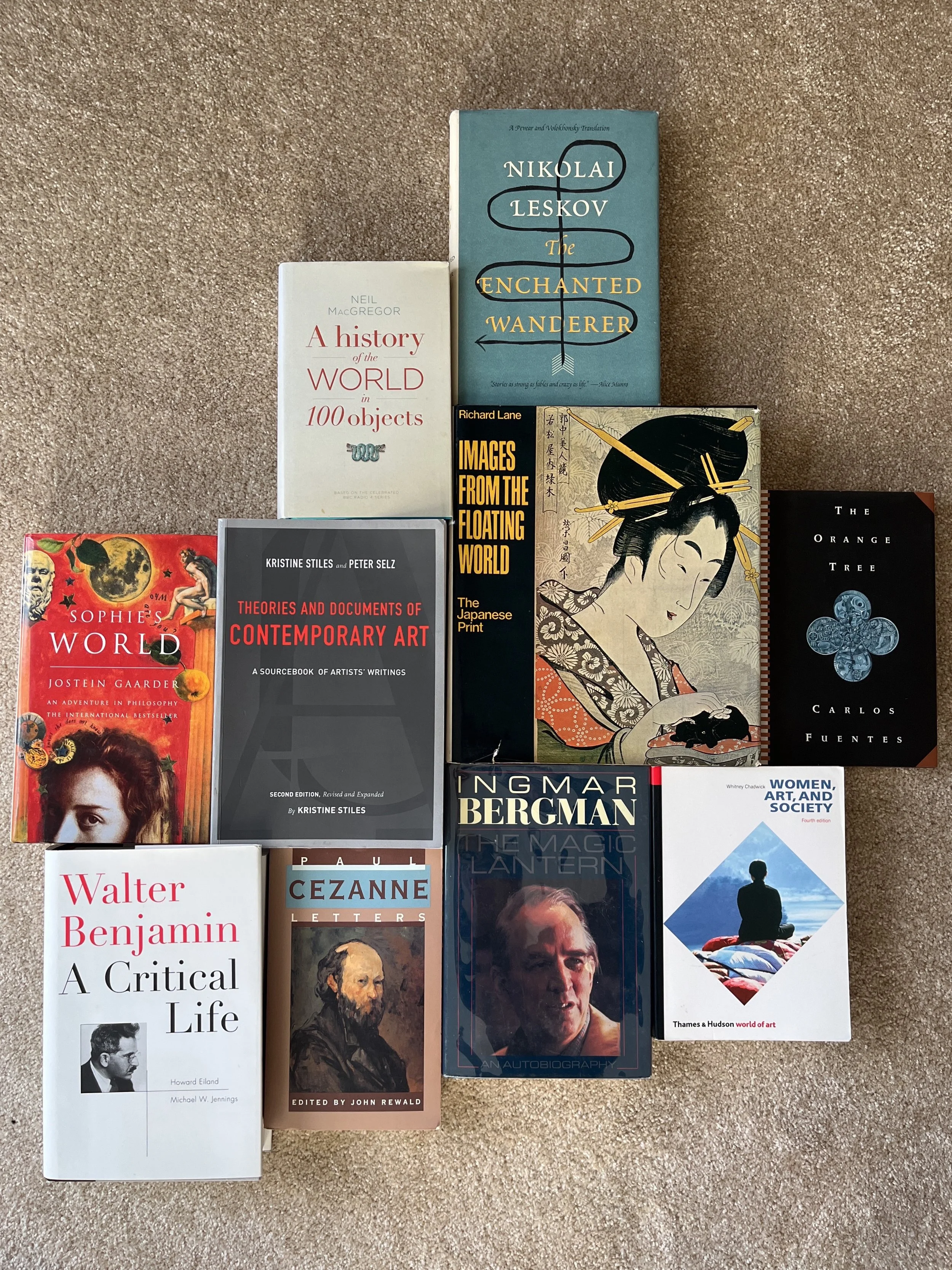
a brooding threnody to the disappearing joy of reading
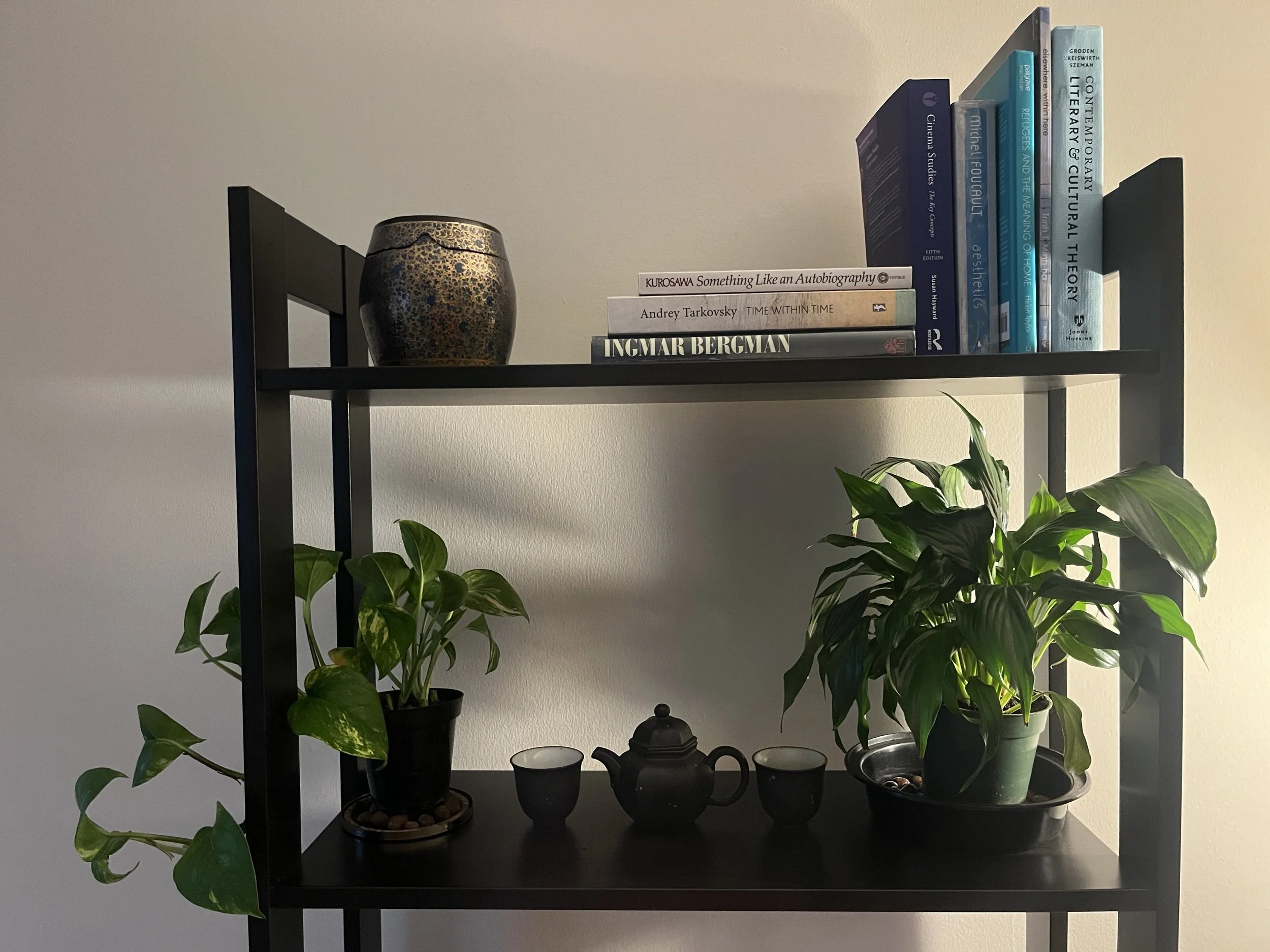
shelf from my study
I never particularly wanted to transition to e-readers, but I made the decision deliberately. Books are prohibitively expensive outside India, and they occupy physical space in ways that become burdensome over time. I often imagine the practical reality of moving apartments alone, hauling boxes of books into a rented truck, a strangely humbling task that strength training does not quite prepare one for.
Over the years, I have also grown wary of accumulating too many possessions. More objects inevitably require more time to organize, maintain, and eventually transport. There is a certain relief in minimizing this material weight. At the same time, I have never been entirely opposed to downloading digital copies of books and films, since accessibility and cost are real considerations. Yet I find myself confronted with a paradox. Even when texts are readily available on my devices, I struggle to engage with them meaningfully on a screen.
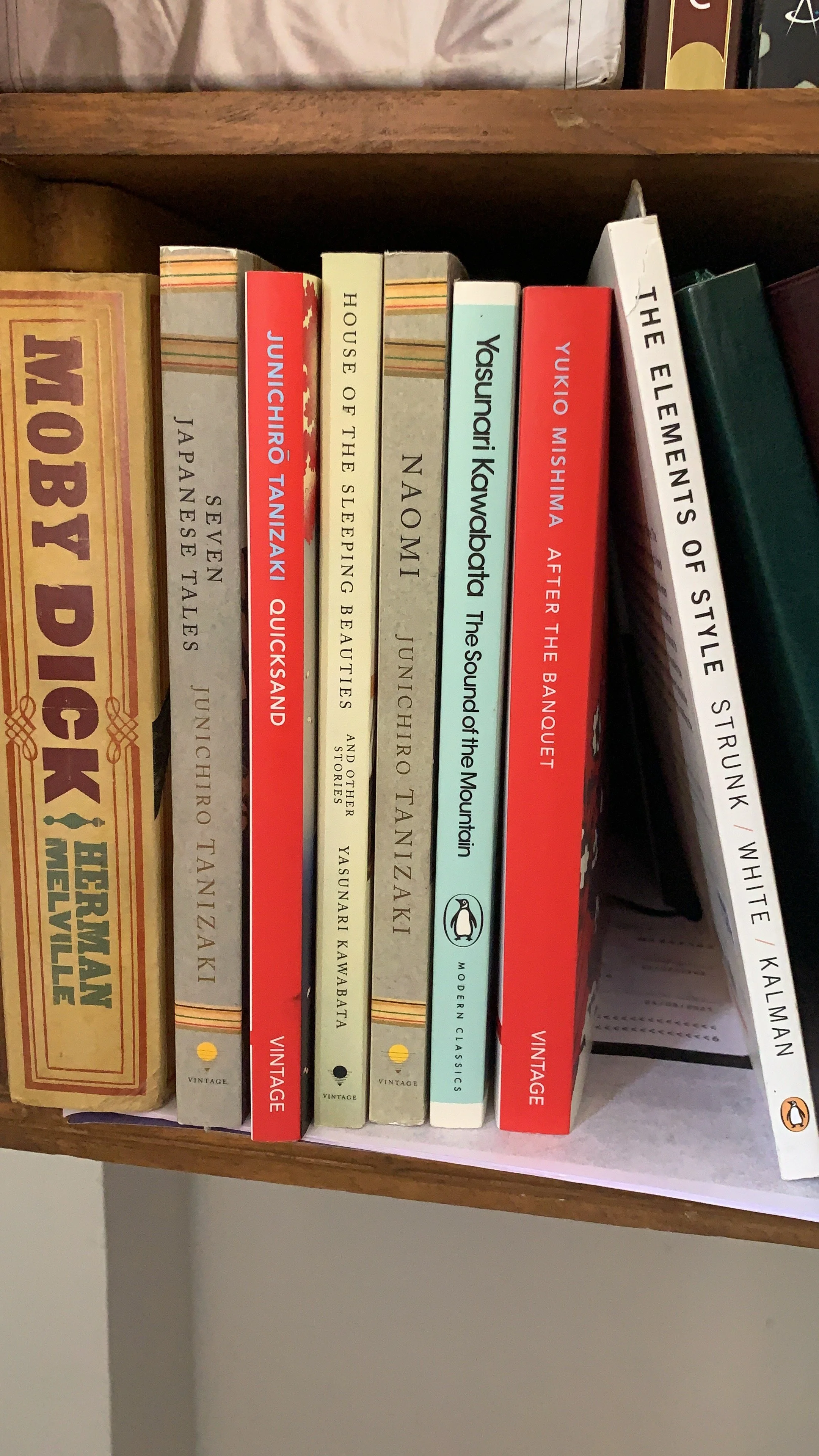
What I miss most is the tactile and spatial memory that physical books offer. With a printed book, I can see and feel my progress, the shifting balance of pages, the visual placement of passages, and the subtle cues that help anchor ideas in the mind. Even the faint scent of an older book contributes to the sense of inhabiting a tangible object. On a screen, each page feels uniform and almost interchangeable, and that loss of spatial orientation leaves me feeling slightly unmoored. Simple actions such as moving back and forth between sections also feel less intuitive, requiring several taps rather than a quick physical gesture.
At the same time, I remain aware that continuing to purchase and store large numbers of physical books may not be practical. The logistical demands are real. Yet this self-imposed restraint has had an unexpected consequence, a subtle diminishment of identity and joy. I want to experience books as sources of pleasure and companionship, not merely as instruments for acquiring knowledge.
The quiet violence academia can sometimes do to us becomes evident here. Reading becomes instrumentalized. Pages become units of intellectual productivity instead of spaces to dwell in. Once that shift happens, the body remembers. Books stop feeling like shelter and start feeling like work. It is therefore unsurprising that attention resists, as though protecting itself from turning every encounter with literature into another performance metric.
The deeper issue may not be about format alone but about identity. Physical books were never only objects for me. They functioned as visible evidence of a life of the mind. Shelves gradually became a kind of autobiography, marking phases of thought, curiosity, and transformation. When I deliberately stopped acquiring them, I also removed that visible mirror of who I am. E-readers are efficient but invisible. They do not sit in a room and quietly testify that this is a person who lives among ideas.
There is an irony in all this. I own multiple e-readers and have nonetheless ordered several physical books that will arrive tomorrow. Perhaps this is less a contradiction and more a small, temporary lifting of the restriction I placed on myself, an experiment to see whether the simple joy of reading can be recovered. I will likely continue relying on e-readers for practicality, but I hope to rediscover a way of reading that feels grounded, attentive, and quietly sustaining.